

The dairy industry, a cornerstone of global food production, faces numerous environmental challenges, especially concerning wastewater management and sustainable energy production. As the world becomes increasingly conscious of environmental impacts, dairy processing plants are under pressure to adopt more eco-friendly practices. One of the most effective solutions lies in wastewater treatment construction and the integration of biogas systems. This article explores the importance of wastewater treatment construction and biogas generation in the dairy industry, providing insights into how these technologies contribute to sustainability. Furthermore, we will highlight Grinviro Global in the wastewater treatment construction and biogas systems.
The Importance of Wastewater Treatment Construction in the Dairy Industry
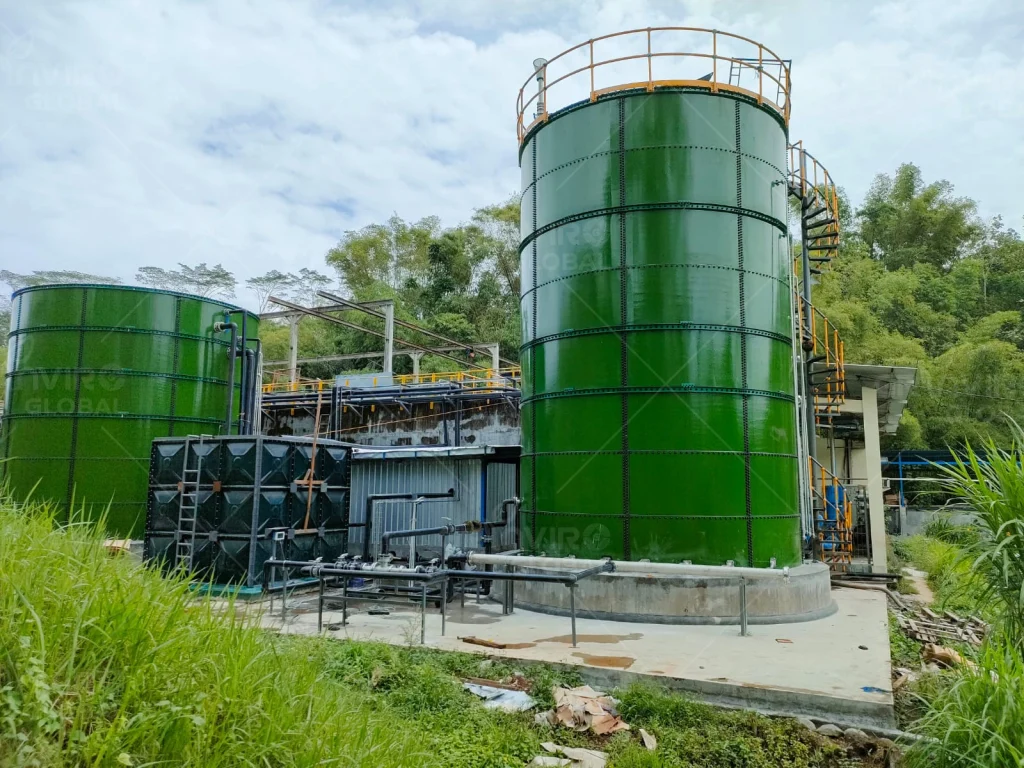
The dairy industry is inherently water-intensive, with significant volumes of water being used in cleaning, pasteurization, and product manufacturing. As a result, large amounts of wastewater are generated, often containing high levels of organic materials, fats, and oils. Untreated, this wastewater can pose serious environmental risks, including contamination of nearby water bodies and soil. Therefore, effective wastewater management is vital for dairy companies to meet both environmental regulations and corporate sustainability goals.
Environmental and Regulatory Pressures
Dairy producers are facing increasing pressure to comply with environmental regulations regarding wastewater discharge. These regulations, which vary by region, require dairy plants to reduce their pollutant load before releasing wastewater into the environment. For example, the European Union and the United States have set strict standards for parameters like biochemical oxygen demand (BOD) and chemical oxygen demand (COD), which must be reduced to acceptable levels through wastewater treatment.
In addition to meeting regulatory standards, dairy plants must also consider their environmental impact. Discharging untreated wastewater can result in eutrophication of water bodies, harming aquatic ecosystems, and contributing to the pollution of drinking water sources. Thus, having an effective wastewater treatment construction process in place is not just a legal obligation but also an ethical responsibility.
Biogas Production as a Renewable Energy Source in the Dairy Industry
Biogas is a valuable byproduct of anaerobic digestion, a process where organic matter, such as dairy wastewater, is broken down by microorganisms in an oxygen-free environment. This process produces methane (CH4), which can be used as a renewable energy source. For dairy plants, integrating biogas production into their wastewater treatment systems can provide a range of benefits.
Dual Benefits: Wastewater Treatment and Energy Production
One of the most effective ways to address wastewater and energy challenges simultaneously in the dairy industry is through the use of anaerobic digesters, which treat wastewater while generating biogas. This process not only reduces the environmental impact of wastewater but also provides a renewable source of energy.
- Wastewater Treatment: By breaking down organic pollutants in the wastewater, anaerobic digestion reduces the biochemical oxygen demand (BOD) and chemical oxygen demand (COD) of the wastewater, helping dairy plants meet regulatory discharge limits.
- Biogas Generation: The methane produced during the anaerobic digestion of dairy wastewater can be captured and used as a renewable energy source. This biogas can power boilers, generate electricity, or even be upgraded to biomethane for use in vehicles.
Reducing Greenhouse Gas Emissions
A significant environmental benefit of biogas production is the reduction of methane emissions. Methane is a potent greenhouse gas, and without biogas systems, it could escape into the atmosphere from untreated dairy wastewater. By capturing and utilizing methane, dairy plants can significantly reduce their carbon footprint and contribute to global efforts to combat climate change.
Additionally, using biogas to replace fossil fuels for energy generation further reduces the overall environmental impact of dairy operations, helping companies transition toward more sustainable, low-carbon operations.
Resource Efficiency and Circular Economy
The integration of biogas production into dairy wastewater treatment systems contributes to a circular economy model. The waste (wastewater) is transformed into a valuable resource (biogas), which not only helps to reduce waste disposal costs but also enhances energy efficiency. The digestate, a byproduct of anaerobic digestion, is nutrient-rich and can be used as organic fertilizer, further contributing to a sustainable agricultural cycle.
Grinviro Global: A Leader in Wastewater Treatment Construction & Biogas Solutions for the Dairy Industry
Grinviro Global is a recognized contractor specializing in the design and construction of wastewater treatment plants (WWTP) and biogas systems for industries with high organic waste, including the dairy sector. With a strong commitment to sustainability, Grinviro Global provides comprehensive solutions tailored to the unique needs of dairy plants, helping them achieve both environmental and energy goals.
Grinviro Global Expertise in Dairy Wastewater Treatment Construction
Grinviro Global expertise lies in providing innovative and efficient solutions for dairy wastewater treatment construction. The company designs and constructs state-of-the-art wastewater treatment plants that are customized to handle the specific challenges of dairy processing wastewater. Their systems are designed to achieve the highest levels of water treatment, reducing BOD, COD, and fats, oils, and grease (FOG) content in the effluent.
- Custom Design for Dairy Operations: Understanding the unique nature of dairy wastewater, Grinviro Global engineers tailor their treatment solutions to optimize performance and reduce operational costs. The design focuses on maximizing efficiency while minimizing energy consumption and water usage.
- Advanced Technologies: Grinviro Global employs advanced technologies, including biological treatment, chemical treatment, and innovative filtration methods, to ensure that wastewater is treated to the highest standards before being discharged or reused.
Biogas Solutions for Dairy Industry Sustainability
Grinviro Global is also a pioneer in the integration of biogas systems within dairy wastewater treatment construction processes. By combining anaerobic digestion with wastewater treatment, Grinviro Global enables dairy plants to treat their wastewater and generate renewable energy from the same process.
- Anaerobic Digesters: Grinviro Global designs and installs anaerobic digesters that treat dairy wastewater and produce biogas as a byproduct. The company’s digesters are optimized to handle the high organic content of dairy wastewater, ensuring efficient biogas production.
- Energy Recovery: Grinviro Global’s biogas systems help dairy plants reduce their reliance on external energy sources by capturing methane and using it for electricity and heat generation. This not only lowers energy costs but also reduces the carbon footprint of dairy operations.
- Sustainability Benefits: By integrating biogas production, Grinviro Global helps dairy plants move towards a more sustainable, circular model of operation, where waste is minimized, energy is generated on-site, and resources are efficiently recycled.
Conclusion
Wastewater treatment construction and biogas production are essential for the dairy industry to address environmental challenges while enhancing sustainability. By integrating efficient wastewater treatment systems with biogas generation, dairy plants can reduce their environmental impact, comply with regulations, and generate renewable energy, contributing to a circular economy. Grinviro Global, with its expertise in designing and constructing tailored wastewater treatment and biogas systems, plays a pivotal role in helping dairy operations achieve these objectives, promoting energy efficiency, and ensuring long-term environmental responsibility in the industry.

Visit Us:
- 7th floor,1#Building ,No.200 Sanmen Road ,Yangpu District ,Shanghai ,China
- The Prominence Office Tower Lt. 28, Jl. Jalur Sutera Barat, Tangerang
- Jl Utama Modern Industri Blok AA No.5, Kawasan Modern Industri Cikande
- Ciputra World Office Surabaya Lt. 29, Jl. Mayjen Sungkono, Surabaya
- Pattene Business Park Blok W3a Makassar