
When we think of pollution-heavy industries, images of oil refineries, chemical plants, or large-scale mining operations often come to mind. Rarely does the average person associate sweet treats—like candy, chocolate, and cookies—with environmental hazards. However, wastewater from confectionery industry presents a far more complex and potentially harmful problem than commonly assumed. Beneath the sugary surface lies a mix of high organic loads, fluctuating pH levels, and persistent effluents that can severely disrupt aquatic ecosystems if not properly treated.
Understanding Confectionery Wastewater Composition
The confectionery industry generates wastewater during various stages of production, including washing of equipment, cleaning floors, ingredient handling, and product spillage. At first glance, these processes seem harmless. After all, what’s so dangerous about sugar and syrup?
In reality, the wastewater composition can be deceptively harmful:
1. High Biochemical Oxygen Demand (BOD) and Chemical Oxygen Demand (COD)
Sugar, glucose, dairy products, and fruit-based ingredients are rich in biodegradable organic material. When discharged into natural water bodies, these substances consume large amounts of oxygen as microbes break them down. This leads to:
- Oxygen depletion in rivers or lakes, endangering aquatic life.
- Excessive microbial activity, which can create anaerobic conditions and produce foul-smelling gases.
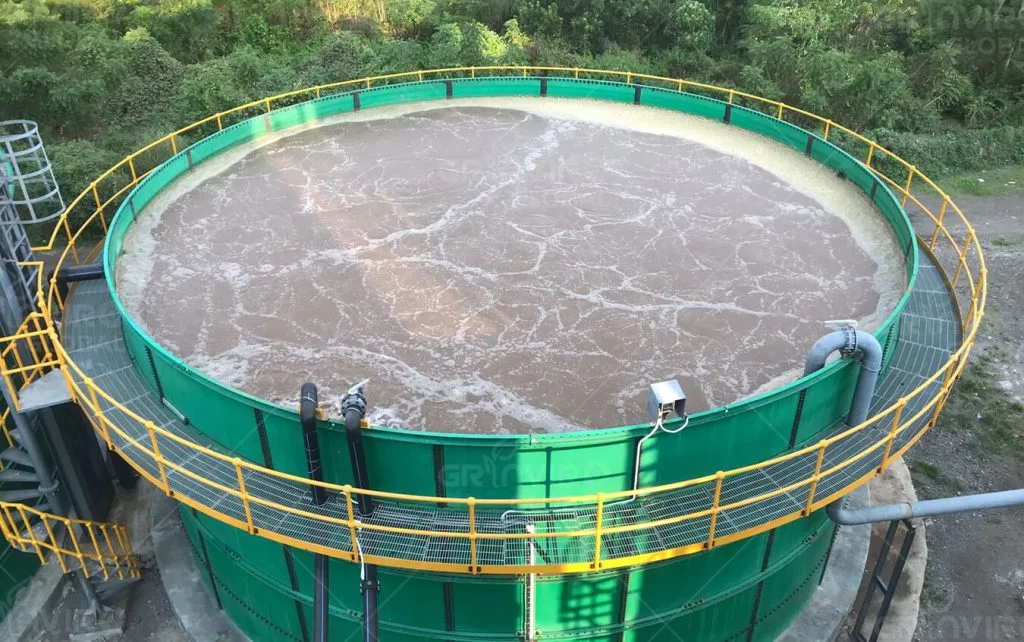
In many cases, BOD levels in confectionery wastewater exceed 2,000–5,000 mg/L, while COD can reach up to 10,000 mg/L—a clear indication that untreated discharge is incompatible with environmental safety standards.
2. Fluctuating pH Levels
Acidic ingredients like citric acid, artificial flavorings, and preservatives can cause significant pH variation in wastewater. A pH range that swings from 3 to 10 can be toxic to aquatic organisms and destabilize the treatment process if not managed correctly.
3. High Fat, Oil, and Grease (FOG) Content
Confectionery products containing chocolate, milk, butter, and nuts introduce significant amounts of fats and oils into the effluent stream. FOG can:
- Clog sewer systems.
- Interfere with oxygen transfer in biological treatment processes.
- Promote the growth of filamentous bacteria in WWTPs, leading to poor sludge settling.
4. Presence of Suspended Solids and Colorants
Ingredients like cocoa, powdered milk, gelatin, and synthetic dyes contribute to high total suspended solids (TSS) and residual coloration in wastewater. If not removed, these can block light penetration in water bodies, disrupting photosynthesis in aquatic plants.
Environmental and Regulatory Risks
Neglecting the proper treatment of confectionery wastewater can result in:
- Legal penalties for violating local discharge regulations.
- Reputation damage due to negative publicity around pollution incidents.
- Operational hazards, including corrosion of infrastructure and overload of municipal wastewater systems.
Environmental authorities in many countries have started to pay closer attention to the food and beverage industry’s pollution profile, with stricter limits on BOD, COD, and nutrient discharges. This makes it imperative for confectionery manufacturers to implement advanced and customized wastewater treatment systems.
Why Conventional Treatment Isn’t Always Enough
Standard wastewater treatment setups—such as sedimentation tanks, activated sludge systems, and basic filtration—often fall short in handling the dynamic and high-strength effluent from confectionery plants.
Some key limitations include:
- Overload during production peaks, especially around holiday seasons.
- Shock loads from cleaning-in-place (CIP) processes.
- Unpredictable influent composition, which can destabilize biological systems.
This has led many forward-thinking companies to seek expert solutions from environmental engineering firms with industry-specific knowledge.
Case in Point: A Success Story in Southeast Asia
In 2023, Grinviro successfully commissioned a WWTP for a sugar factory in Indonesia. The plant was facing regular shutdowns due to overloading of the municipal sewer and was at risk of environmental fines. Grinviro’s intervention involved:
- Buildings Wastewater Treatment Plant with biogas systems
- Installing equipment FLOWREX Multi Plate Screw Press for sludge dewatering
- Training local staff for compliance monitoring.
Within six months, the factory achieved:
- 90% reduction in BOD and COD levels.
- Compliance with government discharge standards.
- A measurable improvement in odor control and sludge handling.
This project exemplifies Grinviro’s ability to deliver reliable and sustainable wastewater treatment for complex food industry effluents.
A Wake-Up Call for the Industry
The notion that food industry wastewater is less hazardous than chemical or heavy industrial waste is a dangerous misconception. As the confectionery industry grows—driven by global demand for indulgent treats—the environmental footprint of its production facilities must not be overlooked.
Wastewater, if not properly treated, can become a silent pollutant, damaging rivers, harming biodiversity, and straining public wastewater infrastructure. Fortunately, solutions exist—provided companies are willing to invest in the right technology and expertise.
Conclusion
while confectionery industry may seem harmless compared to heavy industries, their wastewater can be alarmingly high in organic pollutants, fats, and fluctuating pH levels—posing serious environmental risks if left untreated. This underlines the urgent need for specialized wastewater treatment solutions. Companies like Grinviro Global have demonstrated the capability to design and implement efficient, scalable, and compliant WWTPs tailored to the unique challenges of the confectionery industry, making them an essential partner in promoting both environmental responsibility and operational sustainability.

Visit Us:
- 7th floor,1#Building ,No.200 Sanmen Road ,Yangpu District ,Shanghai ,China
- The Prominence Office Tower Lt. 28, Jl. Jalur Sutera Barat, Tangerang
- Jl Utama Modern Industri Blok AA No.5, Kawasan Modern Industri Cikande
- Ciputra World Office Surabaya Lt. 29, Jl. Mayjen Sungkono, Surabaya
- Pattene Business Park Blok W3a Makassar