

Zero liquid discharge plant technology is no longer just a compliance tool it is a strategic solution reshaping how heavy industries approach water use. As environmental regulations tighten and water becomes an increasingly valuable resource, industries are turning to advanced ZLD systems not only to minimize waste but to unlock new value in their operations.
In heavy industries like textiles, chemicals, power generation, oil & gas, and pharmaceuticals, water is indispensable. Yet, these same industries are among the largest producers of toxic effluents. A zero liquid discharge plant changes this paradigm by enabling complete water recovery, eliminating discharge, and turning waste into a resource.
From Waste Management to Water Reclamation: The New Role of ZLD
Traditionally, wastewater treatment in industries focused on reducing pollutants to meet environmental discharge standards. However, a zero liquid discharge plant takes this further by ensuring that no liquid effluent leaves the facility. Instead, the wastewater is treated, the water is recovered, and the remaining solids are either safely disposed or reused.
This approach transforms wastewater management into resource recovery. By extracting clean water, industrial salts, and even certain metals from waste streams, zero liquid discharge plant turn liabilities into assets.
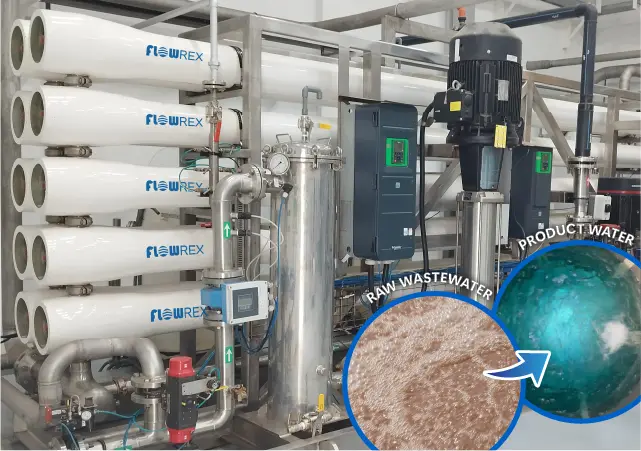
For example:
- Recovered water is reused in cooling towers, boilers, or production processes.
- Recovered salts like sodium sulfate or calcium chloride can be sold or reused.
- Concentrated brine, instead of being discharged into rivers or oceans, is processed and safely handled.
Why Heavy Industries Are Turning to Zero Liquid Discharge Plant
Several macroeconomic and regulatory factors are driving the rise of the zero liquid discharge plant:
1. Water Scarcity Pressure
In regions like India, Indonesia, the Middle East, and parts of Africa, water scarcity is becoming a severe threat to industrial continuity. ZLD offers a way to create a closed-loop water system that reduces reliance on freshwater sources.
2. Regulatory Enforcement
Governments are tightening discharge norms, particularly around chemical oxygen demand (COD), total dissolved solids (TDS), and heavy metal contamination. In many countries, ZLD is no longer optional for high-pollution industries.
3. Corporate ESG Goals
Environmental, Social, and Governance (ESG) commitments are pushing corporations to minimize water footprint, improve resource efficiency, and reduce pollution. A zero liquid discharge plant is a high-impact, reportable initiative aligned with ESG strategy.
4. Economic Payback through By-Products
New-generation ZLD systems are designed not only to recover water but to extract and commercialize by-products from waste, improving the financial return on investment.
ZLD as a Competitive Advantage in the Circular Economy
The move toward a circular economy requires businesses to rethink how they consume and dispose of resources. A zero liquid discharge plant fits perfectly into this model by:
- Reusing water internally, reducing procurement costs.
- Lowering the cost and risk of waste handling and disposal.
- Enhancing the brand’s sustainability reputation.
In fact, companies that adopt ZLD early are seen as environmental leaders in their sectors. They enjoy smoother compliance approvals, better investor confidence, and increasingly, customer preference.
Technical Innovations That Are Pushing ZLD Forward
Recent years have seen significant innovation in zero liquid discharge technology. These advances are making ZLD more energy-efficient, less land-intensive, and scalable for mid-sized industries—not just industrial giants.
Some innovations include:
- High-efficiency evaporators with vapor recompression systems that reduce energy use.
- Membrane brine concentrators that push the recovery rate above 95%.
- Intelligent automation and IoT integration that allow predictive maintenance and real-time monitoring of effluent quality.
- Hybrid ZLD systems that combine biological, chemical, and physical processes for cost-effective performance.
Grinviro Global: Pioneering ZLD Implementation in Indonesia
Grinviro Global stands at the forefront of sustainable water management in Indonesia, having successfully implemented Zero Liquid Discharge plant across various industries. Their innovative approach integrates advanced technologies to achieve near-total water recovery, setting a benchmark for environmental responsibility in the region.
Key Achievements of Grinviro Global
- High Water Recovery Rates: Their Zero liquid discharge plant achieve water recovery rates exceeding 90% – 95%, significantly reducing the need for external water sources and minimizing waste generation.
- Compliance with Regulatory Standards: All ZLD installations by Grinviro Global adhere to Indonesia’s environmental regulations, ensuring that treated water meets or surpasses quality standards.
- Community Engagement: Beyond technological solutions, Grinviro Global engages with local communities to raise awareness about water conservation and sustainable practices, fostering a culture of environmental stewardship.
The Future of Water Recycling in Heavy Industries
As industries continue to face challenges related to water scarcity and environmental sustainability, the adoption of Zero Liquid Discharge plant is expected to grow. Advancements in membrane technologies, energy-efficient evaporation methods, and automation are poised to further enhance the performance and cost-effectiveness of ZLD systems. Moreover, the integration of renewable energy sources, such as solar and biogas, can make ZLD operations more sustainable and economically viable.
Conclusion
Zero Liquid Discharge plant represent a transformative approach to water recycling in heavy industries, offering a sustainable solution to the dual challenges of water scarcity and environmental degradation. Companies like Grinviro Global are leading the way in implementing these systems, demonstrating that with the right technology and commitment, industries can achieve significant environmental and economic benefits. As the global focus on sustainability intensifies, the role of ZLD plant in shaping the future of industrial water management becomes increasingly pivotal.

Visit Us:
- 7th floor,1#Building ,No.200 Sanmen Road ,Yangpu District ,Shanghai ,China
- The Prominence Office Tower Lt. 28, Jl. Jalur Sutera Barat, Tangerang
- Jl Utama Modern Industri Blok AA No.5, Kawasan Modern Industri Cikande
- Ciputra World Office Surabaya Lt. 29, Jl. Mayjen Sungkono, Surabaya
- Pattene Business Park Blok W3a Makassar